
Forecast now for up to +25.0 bonus points if your prediction is correct.
Rig Load is an independent platform for exploring expectations around freight-related outcomes. Content is for informational purposes and does not constitute professional advice.
Rig Load. All rights reserved.
Forecast now for up to +25.0 bonus points if your prediction is correct.
Rig Load is an independent platform for exploring expectations around freight-related outcomes. Content is for informational purposes and does not constitute professional advice.
Rig Load. All rights reserved.
January 31, 2027
Resolves to the option containing the first date on which the 7-day rolling average of commercial tanker transits through the Strait of Hormuz exceeds 50 per day, as reported by S&P Global Market Intelligence, UANI shipping tracker, or equivalent AIS-based vessel tracking data. The 50-transit threshold represents approximately half the pre-crisis baseline. If no 7-day average exceeds 50 transits before Dec. 31, 2026, resolves to "Not in 2026." Rig Load editorial team will designate the primary data source at resolution.
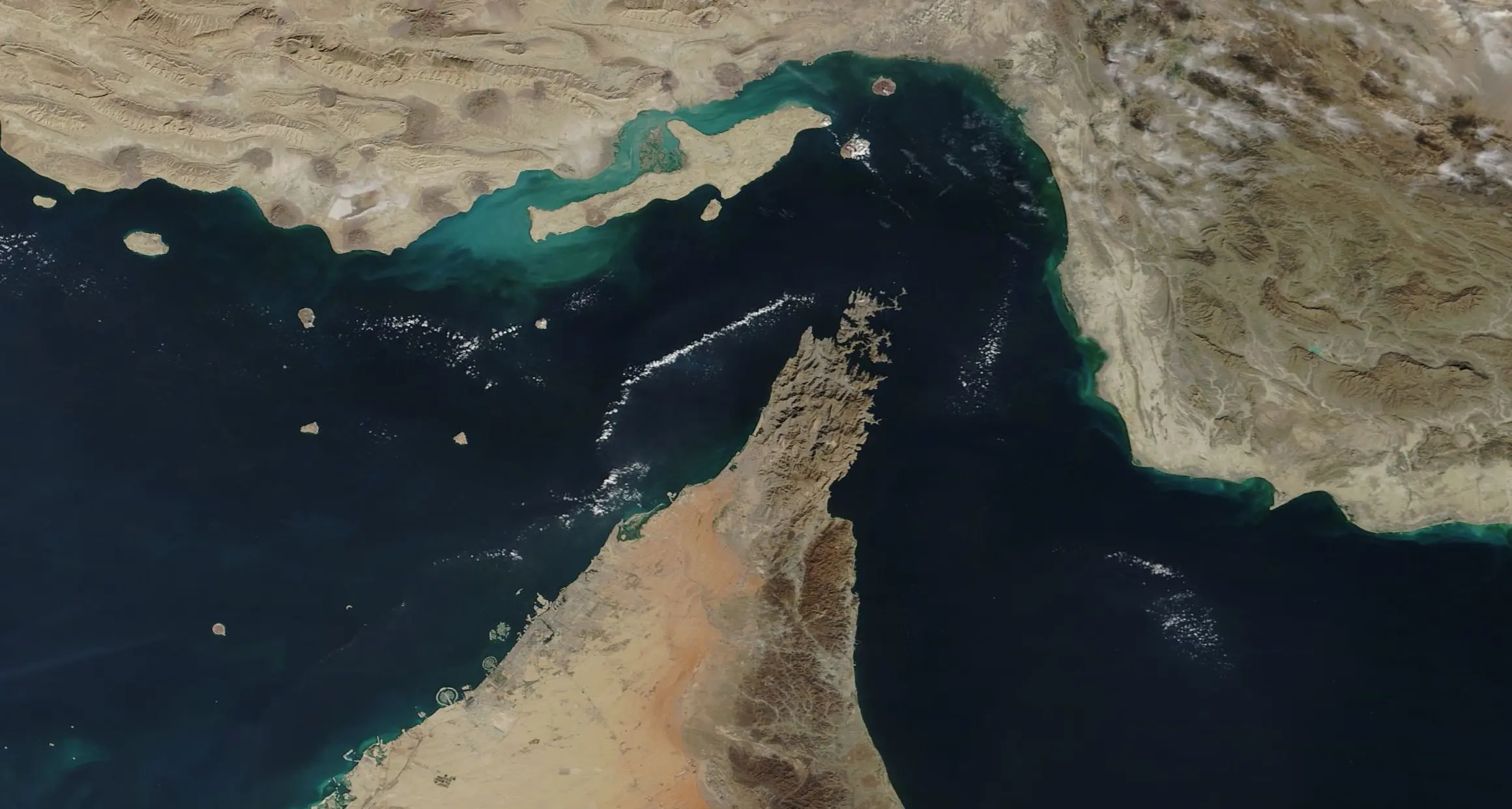
The Strait of Hormuz has been effectively closed to Western-aligned commercial traffic since the U.S.-Israel strikes on Iran began on Feb. 28, 2026. Pre-crisis, more than 100 tankers transited daily, carrying roughly 20% of the world's oil supply. Current traffic is near zero for non-Chinese, non-Iranian-flagged vessels. Diesel has jumped from $3.65 to above $5 a gallon in three weeks. This market asks when commercial shipping returns to meaningful volume.
January 31, 2027
Resolves to the option containing the first date on which the 7-day rolling average of commercial tanker transits through the Strait of Hormuz exceeds 50 per day, as reported by S&P Global Market Intelligence, UANI shipping tracker, or equivalent AIS-based vessel tracking data. The 50-transit threshold represents approximately half the pre-crisis baseline. If no 7-day average exceeds 50 transits before Dec. 31, 2026, resolves to "Not in 2026." Rig Load editorial team will designate the primary data source at resolution.
The Strait of Hormuz has been effectively closed to Western-aligned commercial traffic since the U.S.-Israel strikes on Iran began on Feb. 28, 2026. Pre-crisis, more than 100 tankers transited daily, carrying roughly 20% of the world's oil supply. Current traffic is near zero for non-Chinese, non-Iranian-flagged vessels. Diesel has jumped from $3.65 to above $5 a gallon in three weeks. This market asks when commercial shipping returns to meaningful volume.